
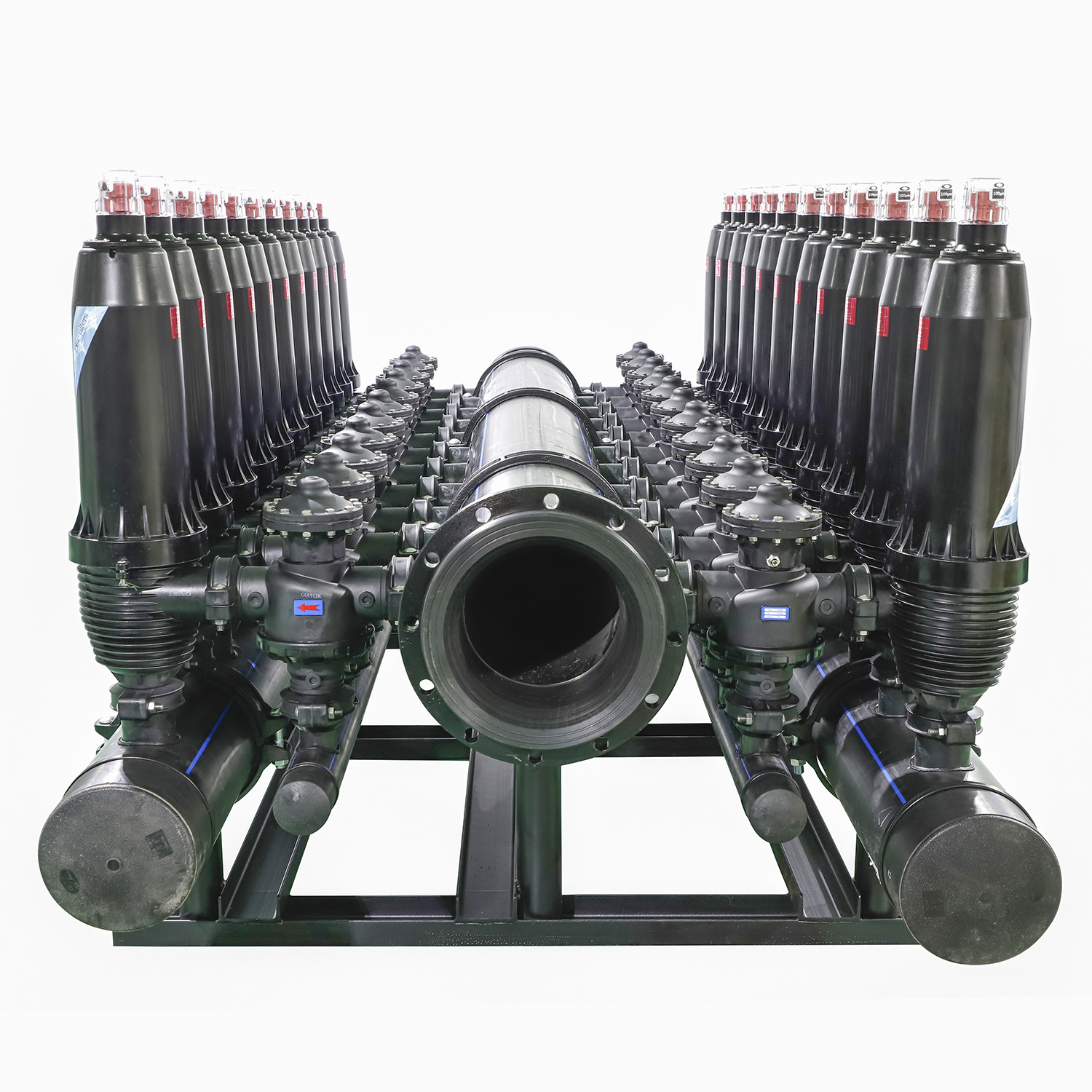
In recent years, the wastewater treatment industry has witnessed significant advancements driven by the urgent need for sustainable and energy-efficient solutions. Among these, innovative filtration technologies have emerged as a key component in improving the effectiveness and environmental impact of wastewater treatment processes. These technologies not only help in removing contaminants efficiently but also support resource recovery, contributing to a circular economy.
Wastewater treatment is a critical environmental and public health function. The increasing population, urbanization, and industrial activities have led to higher volumes of wastewater that must be treated before discharge or reuse. Traditional methods often face challenges such as high energy consumption, incomplete removal of pollutants, and generation of secondary waste. Consequently, filtration technologies have become essential tools in addressing these issues.
Filtration in wastewater treatment involves the physical separation of suspended solids, particulate matter, and sometimes dissolved contaminants from water. This process is vital for reducing pollutant loads and improving water clarity and quality. Various filtration techniques—including membrane filtration, multimedia filters, and advanced microfiltration and ultrafiltration systems—are now widely used in municipal and industrial wastewater treatment plants.
One notable trend in the industry is the integration of environmentally friendly and energy-efficient filtration products. These innovations are designed to reduce operational costs and environmental footprints while enhancing treatment performance. By optimizing filtration processes, treatment plants can achieve higher removal rates of suspended solids, pathogens, and organic compounds, leading to safer effluent discharge and opportunities for water reuse.
A company at the forefront of this technological evolution is JKmatic Co., Ltd., which specializes in developing and producing new environmentally friendly and energy-efficient water treatment products. JKmatic has been dedicated to leveraging advanced filtration technologies that align with global sustainability goals. Their focus on innovation and ecological responsibility has positioned them as a key player in the wastewater treatment sector.
JKmatic's approach emphasizes the development of filtration systems that minimize energy consumption without compromising on treatment efficacy. By utilizing cutting-edge materials and filtration designs, their products can enhance filtration efficiency, extend service life, and reduce maintenance requirements. This not only benefits treatment plants by lowering operational expenses but also contributes to reducing greenhouse gas emissions associated with energy use.
Moreover, JKmatic’s product line addresses diverse filtration needs ranging from preliminary treatment stages to advanced polishing processes. Their solutions are adaptable to various applications, including municipal wastewater, industrial effluents, and agricultural runoff. This versatility ensures that different sectors can benefit from tailored filtration technologies that meet specific regulatory and environmental standards.
In addition to technical excellence, JKmatic prioritizes sustainable manufacturing and lifecycle management of their products. Their commitment to environmental stewardship includes the use of recyclable materials, reduction of waste during production, and support for product refurbishment and recycling programs. This holistic approach highlights how filtration technology companies can contribute to a more sustainable water treatment industry.
The adoption of such environmentally conscious filtration technologies is essential as regulatory frameworks worldwide become more stringent. Governments and environmental agencies are increasingly enforcing limits on pollutant discharge, encouraging the reuse of treated water, and promoting the reduction of energy consumption in wastewater facilities. By implementing advanced filtration systems, treatment plants can comply with these regulations efficiently while protecting public health and ecosystems.
Furthermore, innovations in filtration can facilitate the recovery of valuable resources from wastewater. Technologies that efficiently separate solids and other constituents enable the extraction of nutrients, biogas, and clean water suitable for irrigation or industrial use. This resource recovery aligns with circular economy principles and offers economic benefits by reducing the demand for raw materials and fresh water.
The wastewater treatment landscape is also evolving due to the growing awareness of climate change impacts and water scarcity issues. Sustainable filtration technologies play a vital role in addressing these challenges by improving water recycling rates and reducing the carbon footprint of treatment processes. Companies like JKmatic exemplify how combining environmental goals with technological innovation can drive progress in this vital sector.
In conclusion, filtration technologies are indispensable in modern wastewater treatment, providing critical benefits in contaminant removal, energy efficiency, and sustainability. The development and implementation of environmentally friendly, energy-efficient filtration products are transforming wastewater treatment plants into more resilient and eco-conscious facilities. JKmatic Co., Ltd.’s contribution to advancing these technologies underscores the importance of innovation in safeguarding water resources and supporting sustainable urban and industrial growth. As the industry continues to evolve, filtration will remain a cornerstone of effective wastewater management and environmental protection worldwide.